.jpg)
Why Roller Stands Are Essential for Safe and Accurate Pipe Work

In any workshop or on-site fabrication area, pipe work is rarely a simple task. Pipes are heavy, often long, and need to be handled with care to achieve accurate results. One small mistake in support or alignment can lead to poor welds, safety risks, or costly rework. This is where roller stands quietly become one of the most important tools in the process.
At Pipe Stands and Clamps, roller stands are seen as a foundation for safe and precise pipe handling. They may not be complex machines, but their role in daily pipe work is hard to replace.
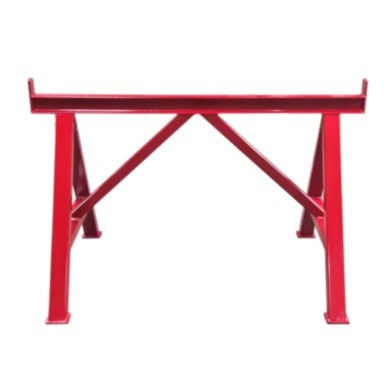
The Everyday Challenge of Handling Pipes
Handling pipes manually is demanding. Even with lifting equipment, keeping a pipe steady while rotating it for welding, cutting, or inspection can be difficult. Workers often have to stop, reposition the pipe, and adjust their stance, which slows progress and increases fatigue.
Roller stands solve this problem by providing stable support while allowing the pipe to rotate smoothly. Instead of fighting against the weight of the pipe, workers can focus on the quality of their work.
How Roller Stands Improve Safety
Safety is always a priority in fabrication environments. Unsupported or poorly supported pipes can roll unexpectedly, putting workers at risk of injury. Roller stands reduce this risk by holding pipes securely at a controlled height.
With the pipe balanced on rollers, there is less chance of sudden movement. This stability is especially important during welding, where steady positioning helps prevent slips, uneven welds, and accidents. Over time, using roller stands consistently can significantly reduce workplace injuries related to manual handling.
Accuracy Starts with Proper Support
Accurate pipe work depends on consistent positioning. Whether welding, cutting, or inspecting, the pipe must remain level and aligned. Roller stands make this possible by maintaining a steady axis of rotation.
When a pipe rotates smoothly, welders can maintain an even bead, resulting in stronger and cleaner joints. This level of accuracy is difficult to achieve when pipes are moved manually or supported by makeshift solutions. For workshops aiming to meet professional standards, roller stands are not optional—they are essential.
Efficiency Without Extra Effort
Time is valuable on any job. Repeatedly stopping to reposition pipes wastes effort and delays completion. Roller stands streamline the workflow by allowing continuous rotation and adjustment without lifting.
For longer pipes, multiple roller stands can be set up in a line, distributing the weight evenly. This setup makes it easier to work along the entire length of the pipe without interruptions. The result is faster job completion with less physical strain on the team.
Where Roller Stands Fit into Pipe Work Systems
Roller stands work best as part of a complete pipe handling system. They are often used alongside pipe stands, clamps, and cutting or welding equipment. Together, these tools create a controlled environment where pipes can be prepared and worked on efficiently.
For example, during welding, roller stands allow the pipe to rotate while clamps hold it in position. This combination keeps the joint steady and accessible from all angles, improving both safety and weld quality.
Understanding Pipe Beveling Machines
In pipe fabrication, preparation is just as important as welding. This is where pipe beveling machines come into play. These machines are designed to shape the edge of a pipe at a specific angle before welding. A properly beveled edge allows the weld to penetrate deeply, creating a strong and reliable joint.
Pipe beveling machines can be manual or powered, depending on the size and complexity of the job. They are widely used in industries such as oil and gas, construction, and manufacturing, where weld integrity is critical.
Roller stands often support pipes while beveling takes place. The rollers hold the pipe steady and allow controlled rotation, helping the beveling machine produce an even finish around the entire circumference. Used together, these tools improve both speed and accuracy in pipe preparation.

A Practical Workshop Example
Imagine a fabrication team working on multiple pipe sections for an industrial project. Without roller stands, each pipe must be lifted and adjusted several times during welding. This slows the team down and increases the risk of misalignment.
After introducing roller stands, the workflow changes. Pipes rotate smoothly, welds become more consistent, and workers experience less fatigue. Adding pipe beveling machines to the process further improves results by ensuring every pipe end is prepared correctly before welding begins. What once felt like hard labour becomes a controlled and repeatable process.
Built for Real-World Conditions
Roller stands used in professional environments need to be strong and reliable. At Pipe Stands and Clamps, equipment is designed to handle heavy loads, repeated use, and demanding conditions. Solid frames, smooth-rolling components, and adjustable features ensure long-term performance.
Investing in quality roller stands is not just about convenience. It is about creating safer working conditions and achieving dependable results over time.
Final Thoughts
Roller stands play a vital role in safe and accurate pipe work. They reduce manual handling risks, improve weld quality, and make daily tasks more efficient. When combined with tools like pipe beveling machines, they form a complete system that supports high standards of workmanship.
For workshops and sites that value safety, precision, and smooth operations, Pipe Stands and Clamps, supported by the expertise of SFE Group, provides practical solutions built for real-world pipe handling needs.


Comments