.jpg)
Top Pipe Flange Alignment Tools Every Engineer Should Use in 2026

Precise pipe flange alignment is essential for safe, leak-free and efficient industrial operations. In industries such as oil & gas, petrochemicals, fabrication, power plants and construction, even a small misalignment can lead to equipment failure, joint fatigue or costly downtime. That’s why, in 2026, engineers continue to rely on advanced tools that simplify the alignment process and increase accuracy.
At Pipe Stands and Clamps, we understand how critical the right equipment is, especially when working on high-pressure or large-diameter pipe systems. Below is a complete guide to the top Pipe flange alignment tools professionals are using in 2026.

1. Flange Alignment Clamps
Flange alignment clamps remain one of the most reliable tools for quickly bringing two flanges into perfect alignment. These clamps apply controlled force to correct lateral, rotational and angular misalignment.
Modern alignment clamps also come with stronger gripping surfaces, making them ideal for offshore and heavy-industrial applications. Their compact design allows technicians to work in confined spaces without needing excessive manpower.
2. Hydraulic Flange Alignment Tools
In 2026, hydraulic alignment systems are the preferred option for large flanges or high-tension applications. These tools use hydraulic power to push, pull and realign heavy components with minimal physical effort.
Hydraulic tools reduce safety risks, handle greater loads and deliver precise movement, making them essential for refineries, pipeline construction and shutdown maintenance teams.
3. Flange Spreader Tools
Flange spreaders help separate stubborn or pressure-bound flanges safely without damaging gasket surfaces. Engineers use mechanical or hydraulic spreaders to create even spacing for inspections, gasket changes or bolt replacements.
Because of their controlled spreading force, they are considered a vital tool for preventing uneven gaps or flange warping during maintenance activities.
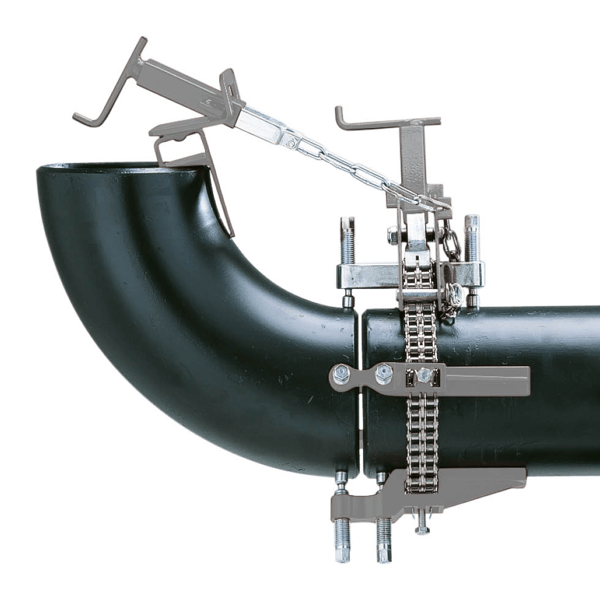
4. Pipe Alignment Clamps
Pipe alignment clamps provide accurate positioning during welding or joining tasks. They help secure pipes so that flange faces sit correctly without rotation or tilt.
These clamps support a range of pipe diameters, and the 2026 versions often include improved stainless-steel construction for longer durability and resistance to corrosion.
5. Laser Alignment Tools
Laser alignment is becoming more popular in 2026 thanks to improved accuracy and digital measurement features. Engineers can instantly detect misalignment, measure angles and verify flange face parallelism before tightening bolts.
Laser tools save time, reduce calculation errors and ensure precise outcomes, especially for high-integrity pipelines and pressure vessels.
6. Pipe Stands
Pipe stands play an important role in supporting pipe sections during alignment, welding and assembly. The 2026 models offer higher load capacity, adjustable height and improved stability.
Roller stands are a specific type of pipe stand that features a rolling top or roller head, allowing pipes to rotate and move smoothly during installation or welding.
They are used when:
rotating pipes for welding
feeding pipes through machines
supporting long pipe sections during alignment
reducing friction and preventing surface damage
Roller stands improve alignment efficiency because they let the pipe move freely while engineers work on achieving perfect flange positioning. Their height-adjustable bodies and heavy-duty wheels make them ideal for workshops, fabrication units and pipeline assembly areas.
7. Torque Wrenches for Final Bolt Tightening
Even with proper alignment, bolt tightening is what seals the integrity of the flange joint. A calibrated torque wrench ensures bolts are tightened evenly and to the exact specification.
Digital torque wrenches are trending in 2026 due to their accuracy, display features and automated error reduction.

8. Digital Angle & Level Gauges
These devices help engineers verify flange face orientation and ensure the joint is perfectly level. Modern digital gauges offer real-time readings, data saving, and increased precision for sensitive tasks.
Why Choosing the Right Tools Matters in 2026
Proper pipe flange alignment prevents:
joint leaks
gasket failure
premature wear and tear
energy loss
safety hazards
costly shutdowns
Using advanced tools not only speeds up operations but also ensures compliance with modern industrial safety standards.
Final Thoughts
The demand for safe, efficient and accurate pipeline assembly continues to grow in 2026. With the right combination of flange alignment clamps, hydraulic tools, spreaders, laser systems and roller stands, engineers can achieve highly precise results with reduced labour and improved safety.
At Pipe Stands and Clamps, we take pride in supporting professionals with durable and high-performance tools manufactured by SFE Group, helping teams achieve flawless pipe flange alignment across various industries.
FAQs
1. What are the most important tools for pipe flange alignment?
The most essential tools include flange alignment clamps, hydraulic alignment tools, flange spreaders, pipe alignment clamps, laser alignment systems, torque wrenches, and pipe stands such as roller stands. These tools help engineers achieve accurate and safe flange positioning.
2. Why is proper pipe flange alignment so important?
Correct flange alignment prevents leaks, gasket failures, bolt stress, downtime, and safety hazards. Misalignment can lead to mechanical damage, pressure loss, joint fatigue and expensive repairs. Proper alignment ensures long-term system integrity and operational efficiency.
3. What are hydraulic flange alignment tools used for?
Hydraulic flange alignment tools are used for correcting misalignment in large, heavy or high-tension flanges. They provide controlled pushing or pulling force, making them ideal for pipelines, refineries, oil & gas sites and industrial shutdowns.
4. How do roller stands help in pipe flange alignment?
Roller stands support pipes while allowing them to rotate smoothly. This movement makes it easier to position pipes correctly during alignment or welding. They reduce friction, stabilize long pipes and improve accuracy during flange positioning.
5. What is the difference between flange alignment clamps and pipe alignment clamps?
Flange alignment clamps are specifically designed to position flange faces correctly by adjusting lateral, angular or rotational misalignment. Pipe alignment clamps hold pipe sections securely in place during welding or assembly, ensuring that the joined ends remain aligned.
6. Can laser tools improve flange alignment accuracy?
Yes. Laser alignment tools provide precise measurements of angles, gaps and flange face parallelism. They help engineers detect misalignment instantly, reduce manual errors and ensure precision in high-integrity piping systems.


Comments